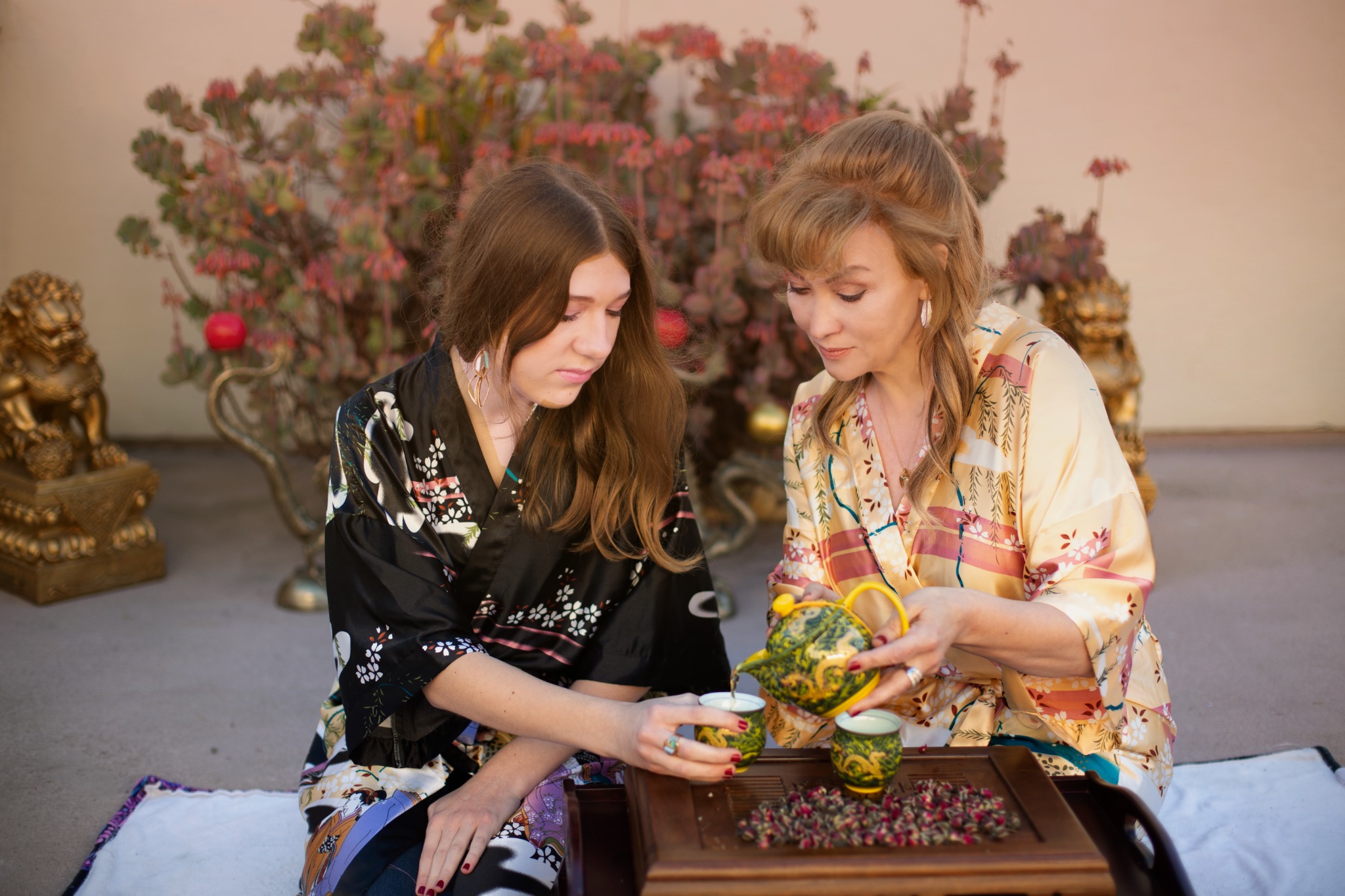
The Beauty of a Traditional Chinese Tea Ceremony


A small cup, the sound of pouring water, and a moment of attention: a tea gathering can feel wonderfully simple. Its beauty comes from noticing what is in front of us and sharing it with others. You do not need to be an expert to take part.
A living tradition with many expressions
Chinese tea culture is diverse. Customs vary between regions, families, and occasions, so there is no single ceremony that represents every Chinese tea tradition. Gongfu brewing is one influential approach: small vessels, a generous amount of leaf, and a succession of short infusions that allow a tea to reveal itself gradually.
In this setting, gongfu describes care and skill developed through practice. It does not require a theatrical performance or a rigid list of gestures. A thoughtful host adjusts water, timing, and conversation to the tea and the people around the table.
What the teaware contributes
A gaiwan is a lidded bowl used for brewing; a small teapot offers another familiar option. A sharing pitcher helps distribute an infusion evenly before it reaches the cups. Small cups make it easy to taste successive brews while they are fresh. A tray or cloth keeps the table comfortable and practical.
Beautiful teaware can deepen the pleasure of a gathering, but expensive equipment is not a requirement. Good water, suitable vessels, and attention to the leaf matter more than having a perfectly matched collection. Hosts should handle the hot water and offer guidance to anyone unfamiliar with a gaiwan.
Let the tea lead
Begin by noticing the dry leaves and their aroma. After brewing, look at the color of the infusion and take a small sip when it is comfortable to drink. There is no correct tasting vocabulary. A guest might notice flowers, toasted nuts, fruit, wood, or simply a flavor they enjoy.
As the leaves open, later infusions may change in strength, texture, and aroma. This is one reason tea gatherings invite a slower pace. Compare cups gently, and leave room for silence as well as conversation. You never have to finish every cup or pretend to recognize a particular note.
A welcoming way to be a guest
Follow your host's lead, ask questions, and mention preferences before the session begins. If you would like less tea, a pause, or cooler water, say so. Tea contains caffeine, and a host should respect a guest who chooses only a little. Avoid universal claims about etiquette: what is customary at one table may differ at another.
A shared moment in Los Angeles
At Pu-Erh & Palms, tea is a way to connect with people as well as with the leaf. Our Tea Ceremonies page introduces the experience and explains how to contact us about gatherings. Whether you join a hosted session or invite a friend to your own table, begin with curiosity, a warm welcome, and one carefully prepared cup.