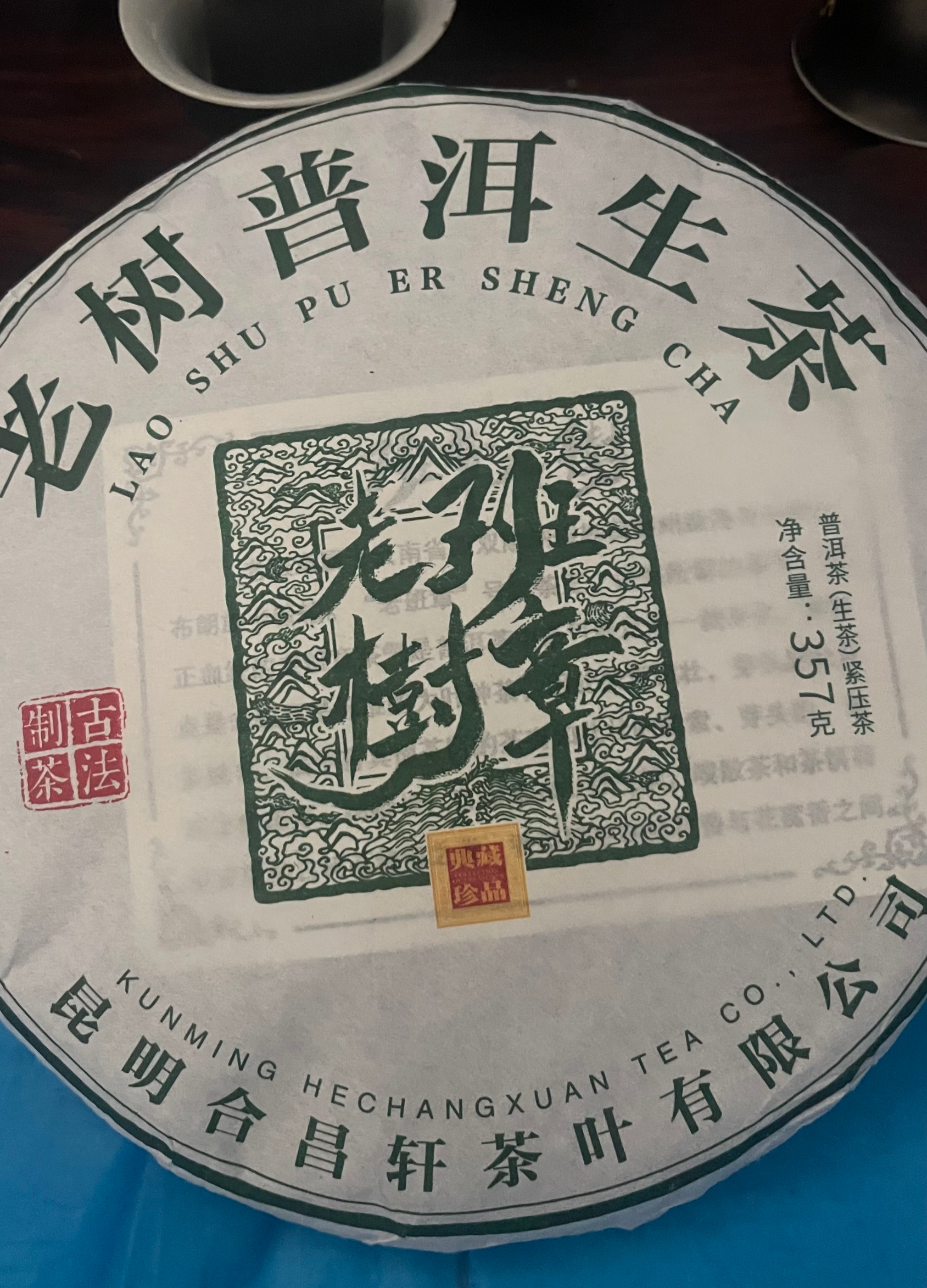
What Makes Pu-erh Tea So Special?


Some teas make an immediate impression; others invite you to stay a little longer. Pu-erh can do both. Its character may be bright and lively, or deep, mellow, and earthy. Learning a few essentials makes this diverse family of Chinese tea much easier to explore.
A tea shaped by place and process
Pu-erh is associated with Yunnan in southwest China and is generally made from large-leaf tea varieties. It is sold loose or compressed into cakes, bricks, and small nests. Compression makes a memorable presentation, but shape alone does not tell you how a tea will taste. Processing, leaf material, storage, and brewing all matter.
Raw and ripe: two different starting points
Sheng, often called raw pu-erh, begins as sun-dried tea. A young example can be assertive, with fresh, floral, fruity, or pleasantly bitter notes. Over time, its character may change with appropriate storage. Sheng is not simply an unfinished version of ripe pu-erh: it is a style worth enjoying in its own right.
Shou, also spelled shu or ripe pu-erh, undergoes an additional managed fermentation process. It often produces a darker infusion with a rounder, earthier character. Cocoa, wood, or dried-fruit impressions are tasting descriptions, not ingredients guaranteed to be present in the tea.
Age is part of the story, not a guarantee
An older tea is not automatically better. Starting material and storage conditions are just as important as the date on a wrapper. For everyday enjoyment, choose a tea whose aroma and flavor you like now. Avoid buying only because a tea is described as rare or very old, and ask the seller about its style and storage history.
A simple first brewing session
Start with the instructions supplied with your tea. For a small gongfu-style session, a practical starting point for ripe pu-erh is about 5 grams in a 100–120 ml heat-safe gaiwan or small pot, using water close to boiling and short infusions of roughly 10–20 seconds. Young raw pu-erh may suit slightly cooler water. These are starting points, not rules.
If desired, give tightly compressed tea a quick rinse and discard that water. Then brew, pour the infusion out completely, and taste before extending the next steep. If the cup is too strong, shorten the infusion or use less leaf. A basket infuser and a mug also work; use less leaf for the larger water volume and adjust gradually.
Explore without rushing
Try comparing a raw and a ripe pu-erh side by side, using separate vessels. Notice aroma, texture, and how the finish changes as the tea cools. Keep your tea dry, away from kitchen odors and direct sunlight; do not attempt to speed aging with added moisture. At Pu-Erh & Palms, we see tasting as an invitation to curiosity. The best discovery is a cup you look forward to making again.